

Cordless Power Tool Set
Add a review FollowOverview
-
Founded Date August 18, 1951
-
Sectors HR
-
Posted Jobs 0
-
Viewed 38
Company Description
Don’t Buy Into These “Trends” Concerning Power Tool Kit
Build Your Own Cordless Power Tool Kit: A Comprehensive Guide
In today’s hectic world of home enhancement and DIY jobs, cordless power tools have ended up being essential for both experts and hobbyists alike. The convenience of mobility combined with the effectiveness of battery-operated tools offers the flexibility needed for a series of tasks. Whether you’re doing a small job at home or taking on a restoration, having the right tools available is vital.
This article is created to provide an informative guide for developing Build Your Own Cordless Power Tool Kit own cordless power tool kit. We will cover the must-have tools, factors to consider for acquiring, maintenance ideas, and responses to often asked questions.
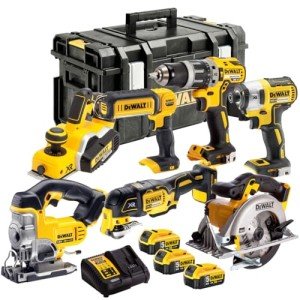
Secret Components of a Cordless Power Tool Kit
Developing a cordless Power Tool Sets tool kit starts with crucial components that serve numerous functions. Below is a table of essential tools and their main usages:
| Tool | Main Use |
|---|---|
| Cordless Drill | Drilling holes and driving screws |
| Cordless Circular Saw | Cutting wood, plastic, and metal |
| Cordless Jigsaw | Precision cutting of curves and intricate shapes |
| Cordless Impact Wrench | Securing and loosening bolts and nuts |
| Cordless Sander | Smoothing surface areas and finishing woodwork |
| Cordless Oscillating Tool | Versatile tool for multiple applications such as sanding, scraping, and cutting |
| Cordless Nail Gun | Securing materials quickly and securely |
| Cordless Vacuum | Tidying up sawdust and particles |
Important Tools and Their Functions
-
Cordless Drill: A multifunctional tool, cordless drills are often at the top of any power tool list. They can perform a variety of jobs from drilling holes to driving screws. Try to find a model with adjustable speed settings and a good battery life.
-
Cordless Circular Saw: Ideal for straight cuts in bigger materials, a cordless circular saw can make quick work of plywood, lumber, or even metal with the Best Power Tool Set blade.
-
Cordless Jigsaw: For elaborate cutting jobs, the jigsaw is important. It enables greater control when cutting curves or angles.
-
Cordless Impact Wrench: This is an essential for automobile or durable applications. It provides high torque with very little effort, making it much easier to drive large screws and bolts.
-
Cordless Sander: Designed for completing work, a cordless sander can rapidly smooth rough edges or surfaces, making it a vital tool for DIY woodworking projects.
-
Cordless Oscillating Tool: Extremely flexible, this tool can be utilized for sanding, scraping, and cutting in tight spaces– perfect for remodellings or repairs.
-
Cordless Nail Gun: If you’re working on woodworking projects, a nail gun is vital for quick and strong attachment.
-
Cordless Vacuum: After completing a job, clean-up is vital. A cordless vacuum makes it simple to get rid of dust, particles, and sawdust.
Factors to consider When Building Your Kit
1. Quality Over Brand
Selecting well-regarded brands can ensure the quality and dependability of your tools. However, it’s vital to study beyond the brand name. Check out customer reviews and seek feedback on efficiency and resilience.
2. Battery Compatibility
It’s smart to pick tools from the same producer, as this frequently permits battery compatibility across various tools– decreasing the variety of batteries required and extending effectiveness.
3. Ergonomics and Weight
The style and weight of tools can significantly affect use, especially when it concerns prolonged tasks. Look for tools that are light-weight and designed for convenience to minimize fatigue.
4. Guarantee and Service
Always examine for guarantee conditions and service choices before purchasing. It’s crucial to have support if a tool does not function as expected.
5. Budgeting
While developing a cordless power tool kit, it’s simple to spend too much. Powertool Set a budget based upon your requirements, prioritizing necessary tools and slowly expanding your collection gradually.
Maintenance Tips for Your Power Tools
-
Clean After Use: Keep your tools devoid of dust and particles to boost efficiency and longevity.
-
Examine Batteries: Regularly check batteries for any indications of wear. Appropriate storage and charging can extend battery life.
-
Check Cutting Tools: Always inspect blades and bits for sharpness and change them when essential to make sure effective operation.
-
Lubrication: Some tools may require occasional lubrication to maintain maximum efficiency, so be sure to consult your user manual.
-
Cover When Not in Use: Protect your tools from dust and moisture by saving them in a case or tool chest.
Regularly Asked Questions
1. What is the advantage of cordless tools over corded tools?
Cordless tools use mobility and versatility, permitting users to work anywhere without the restriction of a power cable. This makes them extremely perfect for outdoor jobs or locations without simple access to electrical power.
2. Can I utilize any battery with any power tool?
No, it’s vital to utilize the battery specified by the maker for your power tool. Blending batteries can cause poor efficiency or perhaps damage.
3. What should I consider when acquiring a cordless drill?
Key considerations need to include power (measured in voltage), speed settings, battery life, and ergonomics.
4. Is it worth buying a total kit or person tools?
This depends upon specific needs. Kits can be more economical and convenient. Nevertheless, purchasing tools separately enables more selective options based upon particular job requirements.
5. How do I securely utilize power tools?
Constantly read the handbook, use suitable safety gear, and ensure your workspace is clear of hazards. Additionally, preserve control of the tool to avoid mishaps.
Creating an individualized cordless Power Tools Kit tool kit not only simplifies home improvement tasks but streamlines the total procedure of structure, fixing, or renovating. With this informative guide, individuals can make informed decisions about which tools to consist of based upon their distinct needs and future jobs. By buying quality tools and following upkeep pointers, one can eagerly anticipate a lifetime of efficient and satisfying DIY experiences.