

Espresso Machine With Steam Wand
Add a review FollowOverview
-
Founded Date September 20, 1958
-
Sectors Ayurveda Pharmacist
-
Posted Jobs 0
-
Viewed 43
Company Description
Five Killer Quora Answers To High Pressure Espresso Machine
The High-Pressure Espresso Machine: A Brew Enthusiast’s Dream
Espresso, a small yet effective coffee beverage, has taken the world by storm, thanks to its abundant taste and fragrant qualities. At the heart of accomplishing that best shot of espresso lies the high-pressure Espresso Machine For Home machine. This article checks out the mechanics, benefits, and nuances of high-pressure espresso machines, elevating your coffee developing experience from mundane to amazing.
What Makes High-Pressure Espresso Machines Special?
High-pressure espresso machines operate by requiring warm water through finely-ground coffee at high pressure, usually around 9 bars (130 psi) or more. This process extracts the flavors, oils, and essences from the coffee beans effectively, creating a concentrated coffee shot topped with an abundant crema.
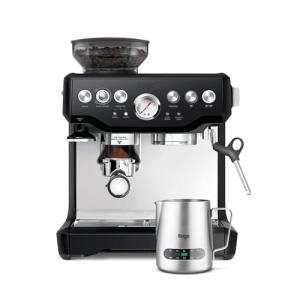
Secret Features of High-Pressure Espresso Machines
| Feature | Description |
|---|---|
| Pressure Control | Maintains constant pressure throughout extraction for ideal flavor. |
| Temperature level Stability | Makes sure water is heated up to the perfect brewing temperature level. |
| Products Used | Frequently made from resilient materials like stainless steel. |
| User Interface | Many machines have actually advanced digital display screens or pressure determines. |
| Steam Wands | For frothing milk, enabling lattes and cappuccinos. |
Types of High-Pressure Espresso Machines
Comprehending the different kinds of high-pressure machines can help you make an informed choice when investing in one.
- Manual Machines: Requires ability to operate, perfect for coffee purists who take pleasure in the hands-on approach.
- Semi-Automatic Machines: Offers control over the developing process, permitting manual adjustments on grind size and pressure.
- Automatic Machines: Features programmable settings for ease, ideal for those who desire consistency with minimal effort.
- Super-Automatic Machines: Fully automates the developing process, from grinding to milk frothing, for ultimate convenience.
| Type | Advantages | Downsides |
|---|---|---|
| Manual | Complete control, skill development | Requires practice, lengthy |
| Semi-Automatic | Customizable, versatile | Needs tracking, can be complex |
| Automatic | Hassle-free, accurate | Less control than semi-automatic |
| Super-Automatic | Very practical, all-in-one | More costly, less control over brewing |
Benefits of High-Pressure Espresso Machines
Buying a high-pressure espresso machine can transform your daily coffee routine and enhance your culinary skills. Here are some of the advantages:
1. Consistency
High-pressure machines use consistent pressure throughout extraction, guaranteeing that each shot preserves the exact same amazing quality.
2. Speed
With the ideal setup, a high pressure espresso Machine-pressure espresso machine can produce shots in under 30 seconds, best for busy mornings.
3. Adaptability
These machines permit baristas to craft different coffee drinks, from espressos and macchiatos to velvety coffees and complex lattes.
4. Boosted Flavor Profile
The high-pressure extraction procedure extracts oils and flavors, leading to a more complicated, full-bodied coffee experience.
5. Personalization
Numerous high-pressure espresso machines include adjustable settings for grind coarseness, temperature, and pressure, permitting users to experiment with different flavors.
Maintenance Best Practices
Like any machine, high-pressure espresso machines require regular upkeep to make sure durability and optimal efficiency:
- Daily Cleaning: Clean the portafilter, brew head, and drip tray after each use.
- Descale: Regularly descale the machine to eliminate mineral accumulation.
- Water Quality: Use filtered water to avoid accumulation and enhance taste.
- Steam Wand Care: Purge and clean the steam wand after every usage to prevent milk residue accumulation.
| Maintenance Task | Frequency |
|---|---|
| Clean portafilter | Daily |
| Descale machine | Every 1-3 months |
| Examine seals and gaskets | Month-to-month |
| Inspect water reservoir | Bi-weekly |
FAQs About High-Pressure Espresso Machines
1. How much pressure should an espresso machine have?
The majority of espresso machines run at around 9 bars of pressure for ideal extraction.
2. Can you make other drinks with an espresso machine?
Yes, high-pressure Espresso Machine With Dual Shot machines can make a variety of coffee drinks, consisting of coffees, lattes, and macchiatos.
3. How difficult is it to find out to utilize a high-pressure espresso machine?
It depends upon the type of machine; manual machines need more practice, while semi-automatics and automatics use more uncomplicated operation.
4. Do high-pressure machines require special coffee beans?
While you can use any coffee beans, espresso specialty beans are normally roasted to maximize extraction and taste.
5. What is the best temperature level for brewing espresso?
The perfect developing temperature is normally between 90 ° C to 96 ° C (194 ° F to 205 ° F) to provide adequate extraction without burning the coffee.
High-pressure espresso machines are more than simply coffee machine; they are gateways to coffee innovation and quality. Whether for personal usage or in a café environment, these machines enable a level of precision that can improve the flavor and quality of every cup. By investing time in comprehending how these machines function and how to keep them, coffee aficionados and casual drinkers alike can elevate their Espresso Machine With Milk Frother experience to a brand-new level.
With different types of machines readily available, every coffee enthusiast can discover one that fits their needs and way of life. Whether you are grabbing a manual machine for a hands-on experience or a super-automatic variation for ultimate convenience, high-pressure espresso machines open the full capacity of coffee, making every brew a culinary experience.